How do I get direct bookings for my hotel without depending on Booking.com?
It isn't about fighting Booking.com. It's about making sure the guest who found you there books with you next time. What a boutique hotel can do this week, without an expensive booking engine.

To depend less on Booking.com you don’t have to leave Booking.com: use it as a shop window, and make sure the guest who finds you there also finds you on Google, on your website and on your WhatsApp, with a reason to book direct. A direct booking is rarely won on the first stay. It’s won in the search the guest runs right after seeing you on the agency, and on the second visit.
Online travel agencies charge commissions that in many contracts sit around 15% or more, depending on the country, the contract and the visibility programmes you accept. Check yours: that’s the number you’re trying to win back.
First: Booking.com also works for you
In 2009 a Cornell University researcher, Chris Anderson, studied what happened to hotels listed on an online travel agency. He found that being listed also increased bookings through other channels, direct ones included: many people see the hotel on the agency and then search for it by name. He called it the “billboard effect”.
The practical takeaway: it isn’t about hiding from the agencies, but about being ready when the guest searches for you by name. That’s where most boutique hotels lose the booking.
1. Run the curious-guest test
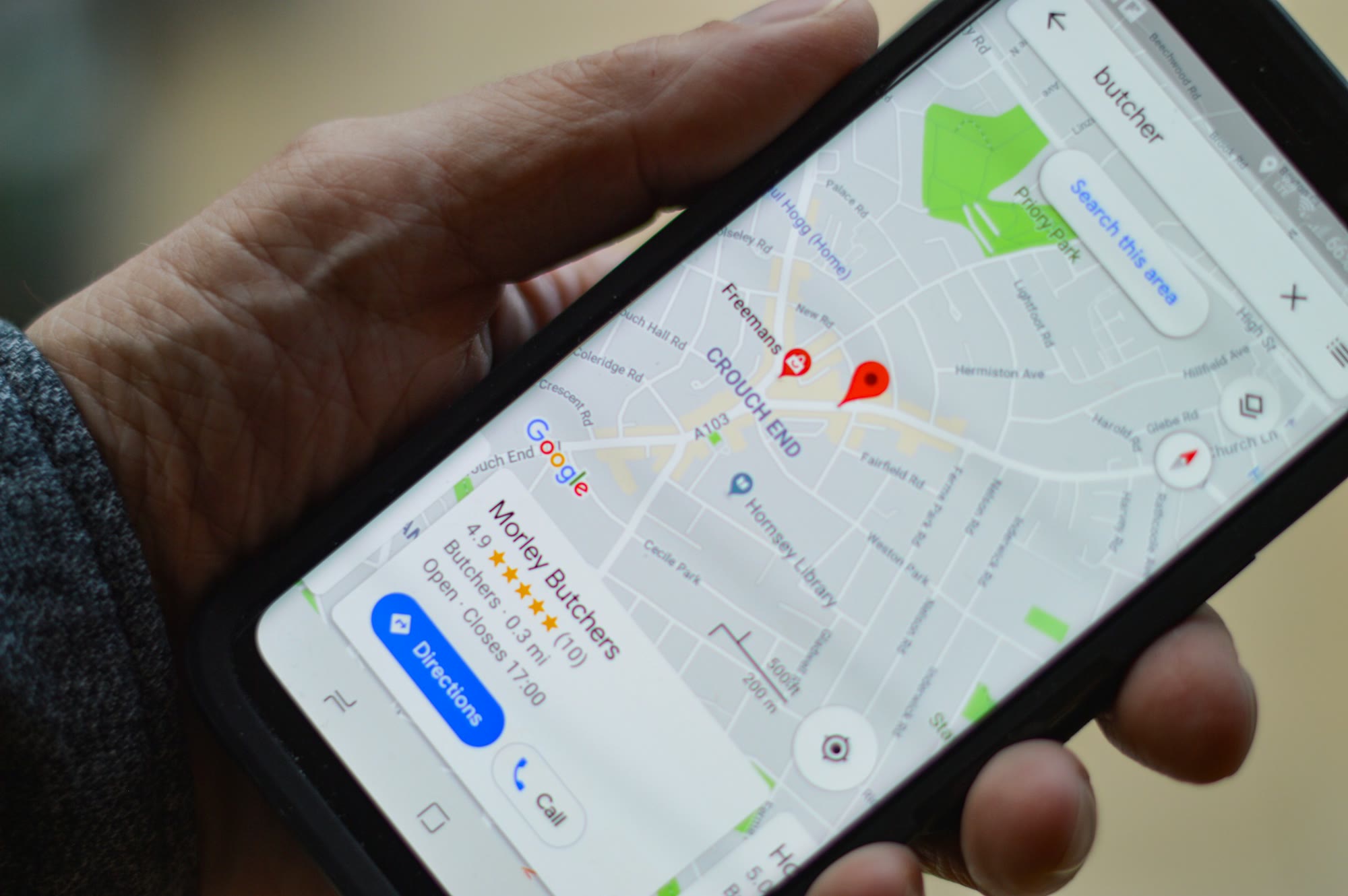
Search your hotel’s name on Google from your phone, the way a guest would. Ask yourself:
- Does your Google profile show recent photos, good reviews with replies and a button to your website?
- Does your website show up near the top, or only the agencies?
- Does your site load fast on a phone and make it obvious how to book?
- Is there a WhatsApp number that answers, in English and in Spanish?
If the guest hits a wall at any of these, they go back to the agency and book there. Not because they prefer the agency, but because it’s the easiest option.
2. Your Google profile is your front desk
For a boutique hotel, the Google profile matters as much as the website. The essentials:
- Real, recent photos: rooms, bathroom, breakfast, pool, the view, the entrance at night. More photos than you think you need.
- Reply to every review, in the language the guest wrote in. A guest comparing two hotels reads the replies.
- Link to your website, and the right phone or WhatsApp.
- Questions and answers: answer the usual ones (parking, pets, check-in time, children).
Google can also show free links to your own booking site next to the agencies’, but for that your booking system has to be connected to Google through a compatible provider. If you already have a booking engine, ask your provider whether it offers this.
3. Give the guest a reason to book direct
Many agency contracts limit publishing a lower price on your own site. Check what yours says. Even if you can’t lower the price, you can almost always give more to guests who book direct:
- Breakfast included, or a welcome drink.
- Early check-in or late check-out, subject to availability.
- More flexible changes or cancellation.
- Direct contact: “message us on WhatsApp and we’ll help with transport and recommendations”.
Say it on your website, your Google profile and your WhatsApp in the same words: “Book direct and get…”.
4. Reply fast, in their language
The international guest asks at eleven at night, in English or in French. If the agency answers instantly and you answer the next day, the agency wins. A WhatsApp Business away message helps; better still is someone who actually answers, with your rates and availability, in the guest’s language.
5. Win the second stay
The guest who came through an agency is already in your hotel. That’s your best chance:
- At check-in, ask permission to send them news by email or WhatsApp. Ask in person and respect a “no”.
- At check-out, a card or a message: “Next time, book direct and we’ll give you…”.
- After the stay, a single thank-you message and an invitation to leave a review. No chains of promotions.
The data an agency shares with you is for handling that booking; to send promotions you need the guest’s permission. Ask for it yourself, in person.
What doesn’t work
- Fighting the agency, or disappearing from it overnight.
- A beautiful website with no clear booking button or WhatsApp.
- Publishing a lower price if your contract forbids it.
- Sending promotions to guests who never gave you permission.
Frequently asked questions
How much commission does Booking.com charge hotels? It depends on the contract, the country and the visibility programmes you accept. In many cases it’s around 15% or more. The exact figure is in your extranet and your contract.
Do I need a booking engine? To take payment online, yes. For a small hotel, starting with a clear form or WhatsApp with confirmation and a deposit can be enough while you grow.
Can I offer a cheaper price on my own site? Check your contract. If you can’t, offer value instead: breakfast, flexibility or a welcome touch.
Should I stop selling through agencies? No. For most boutique hotels they’re how guests discover you. The goal is for the second booking, and the one that comes from your name, to be yours.
What we do (and what we don’t)
We don’t sell booking engines or channel managers. What we do: tune up and look after your Google profile (photos, reviews answered in the guest’s language, questions), a clear website that leads to your way of booking, and an assistant that answers your WhatsApp in English, Spanish or French, always with your approval. To see how Google and AI assistants see you, ask for our free scan: results within one business day.