
Every Customer Conversation, Handled
Your customers message you from everywhere now — the website, social media, texts, forms. Here's what changes when every knock gets answered in minutes, and "sorry for the late reply" finally retires.
The five-word apology
There’s a message you’ve typed so many times your thumbs do it on their own: Sorry for the late reply! The exclamation point is doing a lot of work there — politely drawing a curtain over the fact that the message sat unread for four days while you were busy doing, well, the business.
Here’s the truth underneath, and it deserves to be said plainly: you’re not bad at replying. You’re being asked to reply everywhere. There’s the email inbox, the website contact form, the Facebook messages, the Instagram messages, the texts, the WhatsApp number your customers found somehow, and a Google review you’ve been meaning to respond to since spring. Every one of those is a door to your business, and customers knock on whichever door happens to be closest to them. You, meanwhile, are expected to hear every knock — while cutting hair, quoting a job, seeing patients, or doing whatever it is your business actually does.
So messages wait. Not because you don’t care. Because you’re one person, and there are seven doors.
One front desk, every door
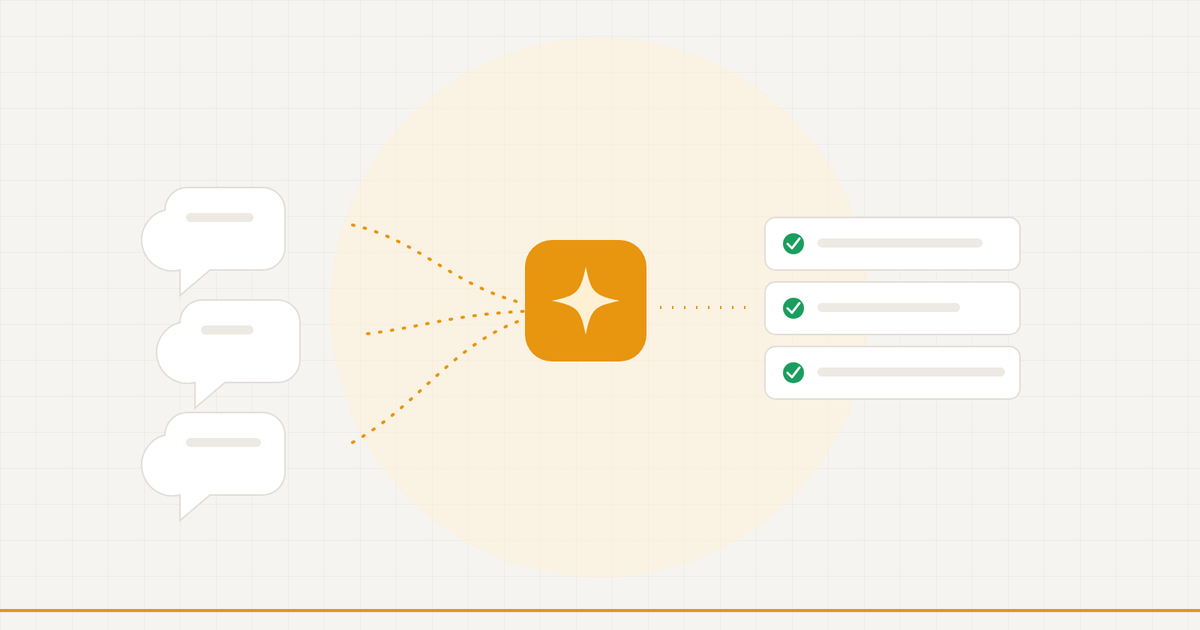
Now picture something different: a front desk where somebody is always sitting, watching all of those doors at once.
That’s what an AI teammate — a digital worker — can be for your customer conversations. When a message arrives, from anywhere, it gets read right away. The routine ones — opening hours, prices, do you deliver, how do I book — get a friendly, correct answer within minutes, at two in the afternoon or two in the morning. The ones that genuinely need a human get sorted and passed to you with a short note about who’s asking and what they want, so you walk into a conversation that’s already halfway to done. And nothing — this is the important part — nothing sits unread behind a door you forgot to check.
A few scenes, to make it real:
The plumber. She’s under a sink until four. While she’s there, three quote requests come in: one by text, one through Facebook, one from the website form. The old version of this story ends with her replying at seven over a reheated dinner, and one customer already gone — not to a better plumber, just to a faster reply. The new version: each inquiry gets answered on arrival, asked the useful questions — whereabouts are you, what’s leaking, can you send a photo — and offered a time for a call. She gets back to the van and finds three tidy summaries with the details already gathered. She sends actual quotes over her morning coffee. From the customer’s side, the experience is simple: they knocked, and someone answered.
The shop. An Instagram message lands at eleven at night: do you have this in a medium? It gets answered while the customer is still interested. Someone asks about returns through the website form and gets the patient, accurate version of your policy — not the from-memory version you type on your phone in a queue. In the morning there’s a short note waiting: what people asked about, what’s clearly in demand, and which one conversation deserves your personal touch. You start the day with an answer to give, instead of an archaeology dig through four inboxes.
The solo founder. The inquiry that matters arrives at nine on a Saturday night through the website, when you are — correctly — not working. In the old version, you find it Monday afternoon underneath the newsletters, reply Tuesday, and the prospect has gone quiet. In the new version, they get a warm reply within minutes, a couple of good questions, and a promise that you’ll be in touch Monday. And on Monday morning, there it is at the top of your list, clearly marked: this one’s worth your time.
What actually changes
The obvious change happens on the customer’s side: they get answers while their question is still warm. In customer conversations, speed reads as care. The business that replies in minutes feels attentive, even when all it did was answer a question about parking.
The quieter change happens on yours: you stop carrying the map. Every owner has one — the mental checklist of places to check, running in the background through dinner. Did I look at Facebook today? Was there something in the form inbox? The map costs energy even on days when nothing’s waiting. When someone reliable is watching the doors, you finally put it down. The unread badge stops being a small ambient dread and goes back to being a number.
And there’s a change nobody expects: you start learning things. When every conversation flows through one place instead of seven, patterns become visible. If a dozen people ask about gift cards in a month, that’s not a coincidence — that’s a product. Your customers have been telling you what they want all along. It was just scattered across too many inboxes for anyone to notice.
Keeping it honest
An AI teammate handles the part of conversation that follows a pattern: questions with known answers, sorting, gathering details. It shouldn’t pretend to be you, and it doesn’t need to — most customers care far more that the answer is fast, right, and kind than about who typed it.
The conversations that need you still come to you: the complaint that stings, the customer weighing a big decision, anything involving feelings or judgment. Those get flagged and handed over, not smoothed over by something doing an impression of you. And no, a fast reply doesn’t fix an unhappy customer by itself — but it does mean you hear about them today instead of Thursday, which is often the difference between a rescue and a one-star review.
As with any new hire, trust is earned. At the start, you read the answers before they go out and adjust the wording — most owners do. Over time, you approve less and skim more. You stay the voice of your business. You just stop being its only pair of hands.
Dream bigger
Here’s this week’s five-minute exercise. Count your doors: write down every place a customer can currently message your business. The list will be longer than you expect, and there’s a fair chance it includes a channel you’d forgotten you have — which means messages you’ve never seen. Sorry.
Now imagine one ordinary week where every knock on every door got answered in minutes. From the outside, that business looks big. It looks like a business with staff — the kind where somebody’s always at the desk, the kind you assumed you couldn’t afford to be. From the inside, it’s still just you. You’re simply no longer stretched across seven inboxes like a rumor.
Then ask the better question. Not can the messages be handled — they can — but: what conversations would you start if you weren’t buried under the ones you’re behind on? The check-in with a longtime customer. The thank-you after a big order. The we’ve missed you to someone who hasn’t been in for a while. Those are the conversations that grow a business, and they’re always the first casualty of a full inbox.
Every knock, answered. Who you invite in and what you talk about — that part, happily, is still yours.