
Your Always-On Marketing Department: Set the Direction, Skip the Typing
Consistency is the whole trick in marketing — and it's the one thing a busy owner can't buy with good intentions. What changes when AI teammates do the researching, writing, and posting, and you just steer.
The post you were definitely going to write in March
Somewhere in your business there’s a little graveyard of marketing that almost happened. The newsletter that went out twice — January and, ambitiously, February — and then never again. The blog post that’s been saved as “draft_v2_FINAL” since March. The social media account where the most recent update is your holiday opening hours, from a holiday two seasons ago.
It’s not that you don’t know marketing matters. Everyone tells you it matters, usually right after asking why you’re not doing more of it. It’s that marketing is a full job, and you already have one of those. Possibly four.
And the standard advice — just be consistent! — is cheerfully dispensed by people who have a marketing department. Consistency is easy when it’s someone’s entire job. You have Tuesday evenings and good intentions, and the invoices have already claimed both.
So here’s the different picture this series keeps painting. What if the researching, the writing, and the posting simply happened — steadily, week after week — and your part was deciding what it all says?
What a marketing department actually does
Strip away the mystique and a marketing department mostly does three things, over and over.
It pays attention: what customers are asking, what season is coming, what the competition just changed. It turns that into words: the posts, the newsletter, the page on your website that still says “new for last year.” And it shows up on schedule, whether or not anyone woke up feeling inspired.
None of that requires genius. All of it requires relentlessness. And relentless is exactly where a busy owner loses — not for lack of talent, but because showing up every single week is a luxury reserved for people who aren’t also unblocking a drain or covering the front desk.
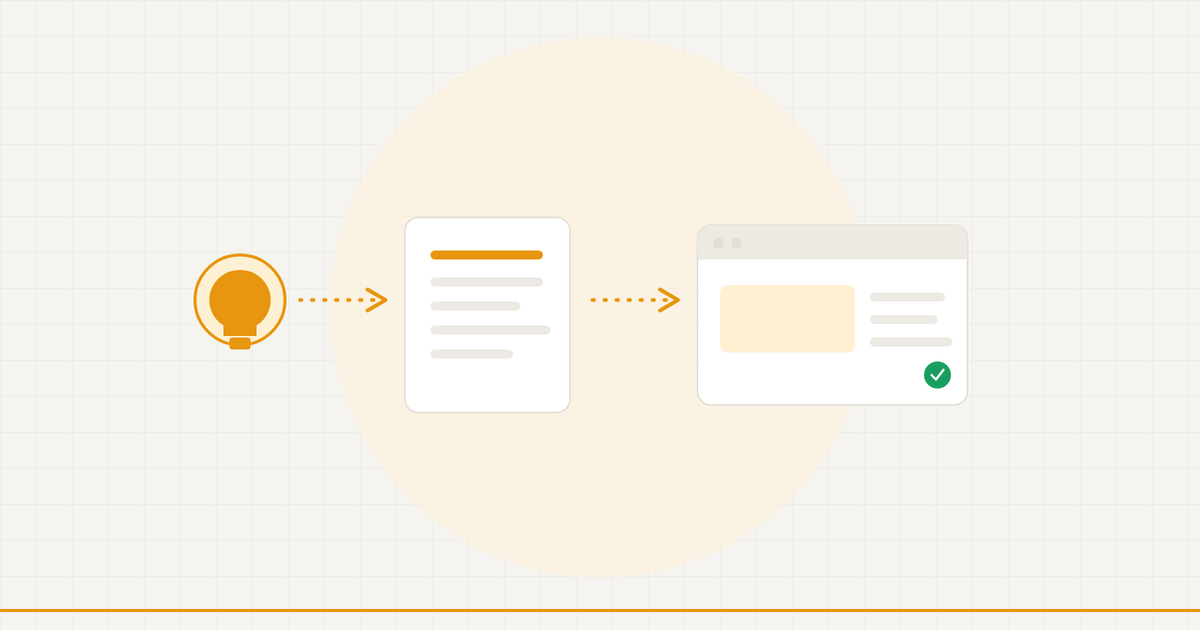
Relentless, as it happens, is the one thing AI teammates are unambiguously good at. So you hand the repeating parts to digital workers. One keeps track of what your customers asked this week and what’s coming up on the calendar. One drafts — the newsletter, the week’s posts, in your voice — and leaves it all waiting for your okay. One publishes, on time, every time, without needing to be in the mood.
Your part shrinks down to the part that was always the point: deciding what your business has to say.
A few scenes
The plumber. Every year, the same rhythm: the first cold week brings the heating emergencies, spring brings the renovations. This year, the seasonal reminder — book your service before the rush — is drafted and ready before the weather turns, because a digital worker knows what month it is even when you’ve lost track. New reviews get a polite, personal-sounding reply the same day. The website quietly stays current. His entire marketing role now happens in the van at lunch: read the week’s drafts on his phone, change a word, approve. Five minutes, and he’s back under a sink.
The shop. New stock arrives, the owner snaps a few photos, and by the afternoon there’s a newsletter draft and a handful of posts queued up for the week. She changes one word — there’s always one word — and taps approve. In November, when three different customers asked about gift wrapping in the same week, that pattern surfaced as a suggestion: maybe next week’s post should mention we do this? She’d half-noticed it herself. Her AI teammate had fully noticed.
The clinic. The monthly newsletter — sensible seasonal advice, a note about new appointment times — actually goes out monthly, which turns out to be the entire trick. The questions new patients keep asking become next month’s article ideas, so the clinic ends up writing about what people genuinely want to know, not what someone guessed in a planning meeting two years ago. And nothing goes out without the practitioner reading it first, because it’s her name over the door.
You become the editor, not the typist
Notice what changed in those scenes. Nobody stopped doing marketing. They stopped typing it.
The owner’s job becomes direction: this month we push the service special; we sound friendly, never pushy; don’t ever use exclamation points. (A digital worker will actually remember that last one. Fondly, forever.) Setting direction takes minutes a week. Producing everything that direction implies used to take the evenings you didn’t have — which is why it usually just didn’t happen.
It’s worth being plain about the money side, too. Marketing that shows up every week normally means one of two things: someone’s salary, or an agency retainer — real dollars, every month, which is exactly why most small businesses do it themselves, which is to say, don’t. Digital workers put the steady, repeating layer within reach, and let you spend the human budget — yours or a future hire’s — on the things that genuinely need a human: the strategy, the relationships, the photo only you would think to take.
Keeping it honest
The usual honesty section, because this series keeps its promises modest.
AI teammates won’t make a dull offer exciting. Marketing amplifies what’s true about your business; it doesn’t invent it. The taste, the judgment, the sense of what your business would never say — that stays with you, which is why the okay stays with you too. Early on, you’ll read everything before it goes out, and you should. Like any new team member, a digital worker earns the longer leash gradually.
And a small disclosure, in the spirit of the thing: the blog you’re reading right now runs this way. A person sets the direction and gives the final okay; AI teammates handle the research, the drafting, and the day-to-day. We would have felt a bit silly writing this article any other way.
Dream bigger
Here’s this week’s small assignment. Every time you catch yourself thinking I should really post about that — the delivery that just landed, the question you answered brilliantly this morning, the busy season everyone forgets to prepare for — notice it. That thought is a marketing department’s raw material, and you produce it daily. Right now it evaporates by dinner.
Now imagine each of those thoughts actually becoming something — written, polished, published, steadily, without claiming a single evening. Not louder marketing. Steadier marketing, which is the kind that works.
Then ask the better question, the one this series keeps circling back to: not “could this be done for me?” but “what would my business look like after a year of showing up every single week?” That’s the part worth dreaming about.